Your Favorite Show Is Somewhere. Good Luck Finding It.
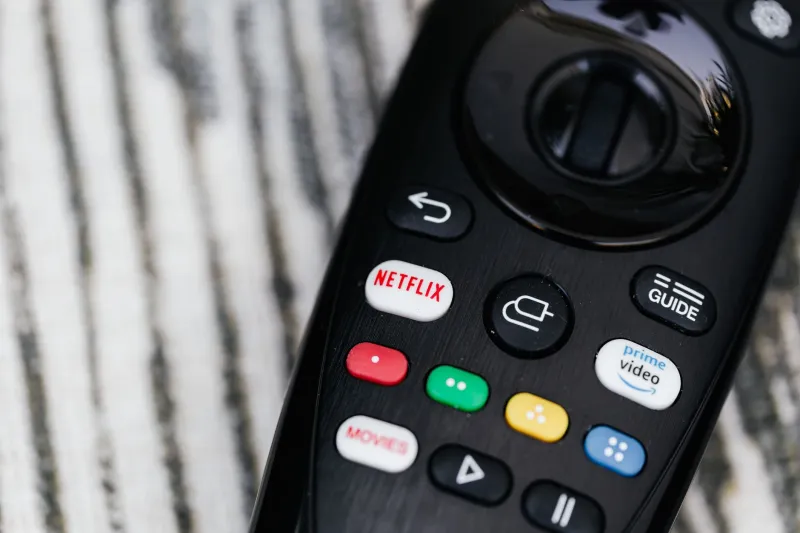
Remember when Netflix was the place? One app, one subscription, pretty much everything you wanted. Those days are gone — and they're not coming back anytime soon.
Today, a show you loved might live on Peacock. Its spinoff might be on Max. The movie that inspired it could be on Criterion Channel. And the original run from the '90s? Probably buried on a service you forgot you subscribed to, or worse, on one you don't.
This is streaming's fragmentation problem, and it's only gotten messier as studios have pulled their content into their own walled gardens, licensing deals have shuffled libraries around, and new niche platforms have popped up to claim whatever's left. Here's how to actually navigate it.
How We Got Here (The Short Version)
For a long time, Netflix was essentially paying studios for the right to host their content. That worked great — until those studios realized they were basically building Netflix's library for them while Netflix got all the subscriber revenue.
So they started pulling content back. Disney yanked its catalog to build Disney+. NBCUniversal reclaimed its shows for Peacock. Warner Bros. consolidated everything onto Max. Paramount built out Paramount+. And on and on.
The result is a landscape where the same content can disappear from one platform, reappear on another, vanish into a licensing limbo, and then resurface somewhere unexpected — sometimes in a different country first, just to make things extra confusing.
For cord-cutters, this is genuinely frustrating. You left cable to simplify your entertainment life. Instead, you're now managing a rotating roster of subscriptions and playing detective every time you want to watch something specific.
The Tools That Actually Help
Before you resign yourself to subscribing to everything or pirating out of spite, there are some legitimate tools that make the search a lot less painful.
JustWatch is the one most people eventually discover, and for good reason. Type in any title, and it shows you every platform where it's currently available in the US — whether that's a subscription service, a rental, or a free ad-supported option. It updates regularly as licensing deals shift, and it covers a genuinely impressive range of platforms including the smaller ones most people forget exist.
Reelgood operates similarly and has a solid interface for browsing across platforms at once, which is useful if you're not searching for something specific but just want to see what's available across your existing subscriptions.
Letterboxd is primarily a social film-logging app, but its community lists and the ability to see where films are streaming makes it surprisingly useful for movie-focused searches.
Google itself has gotten better at this — search "[show name] streaming" and you'll often get a direct answer with current platform availability. It's not perfect, but for quick lookups it's faster than opening a separate app.
For TV specifically, TV Time and Serializd let you track what you're watching and often surface where episodes are available, which helps when a show's library is split across platforms.
The Licensing Limbo Problem
Here's the part no tool can fully solve: sometimes content is just... nowhere.
Licensing deals expire, and when they do, there can be a gap before the content lands somewhere new. Older shows and movies are especially vulnerable to this — they cycle through platforms on multi-year contracts, and if you miss the window, you're waiting or paying for a rental.
Some content never makes it to streaming at all. Certain older TV shows have music licensing complications that make digital distribution prohibitively expensive. Other titles are caught in rights disputes between studios. A surprising amount of cinema history is effectively inaccessible without physical media.
This is where library cards genuinely come in clutch, by the way. Hoopla and Kanopy — both free with a library card — carry a lot of content that's fallen through the streaming cracks. Kanopy in particular has a strong catalog of classic and independent films that you won't find on any major platform.
Building a Smarter Subscription Stack
Rather than trying to have everything at once, the smartest cord-cutters treat their subscriptions as a rotation rather than a permanent fixture.
The strategy looks something like this: identify the two or three shows or films you actually want to watch right now, find out which platforms host them, subscribe for a month, watch everything you want, then cancel. Rinse and repeat.
Most major platforms still allow monthly cancellations without penalties, though some are starting to push annual plans more aggressively. Stick to month-to-month where possible.
A few platforms worth keeping in your regular rotation if you're serious about finding niche content:
- The Criterion Collection streaming service (part of the Filmstruck successor) for serious film fans
- Mubi for curated international and arthouse cinema
- Shudder if horror is your thing
- Acorn TV for British and international series that don't land on the major US platforms
These smaller services are often cheaper than the big players and tend to have more stable, curated libraries — less of the constant shuffle that makes the major platforms so frustrating to track.
Will It Ever Get Better?
Honestly? Probably not in the direction most people hope for.
There's been talk of consolidation for years — deals, mergers, bundles. Disney, Hulu, and Max have explored various partnership structures. Apple and Amazon have both been rumored as potential acquirers of struggling studios. But the economics of content ownership mean studios are unlikely to voluntarily give up their direct-to-consumer leverage anytime soon.
Bundles are the most realistic near-term improvement. Disney's bundle (Disney+, Hulu, ESPN+) is already a decent example of reducing the number of apps you need to manage. We'll probably see more of these arrangements, but they'll be between partners who already have business relationships — not some grand unified streaming platform.
In the meantime, the map keeps shifting. The best move is to stop expecting the landscape to stabilize and start getting good at navigating it as it is. Use the search tools, rotate your subscriptions, rediscover your library card, and accept that finding content is now a small but real part of the cord-cutting experience.
It's still a better deal than cable. It's just a different kind of work.