Your Watch History Is Disappearing — And Streaming Services Don't Want You to Ask Why
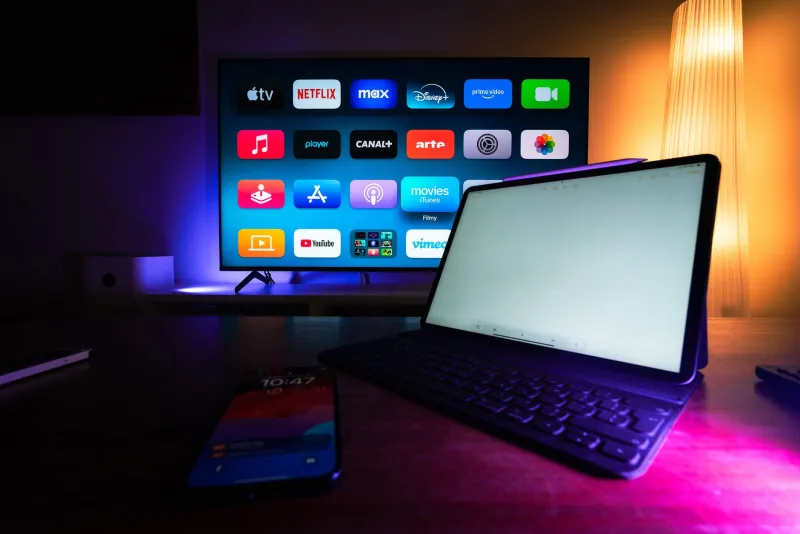
You open up your streaming app on a Tuesday night, ready to revisit that documentary series you never finished. You scroll to your history. It's gone. Not just partially trimmed — completely wiped. A quick search turns up a vague policy update buried in an email you definitely didn't read. Welcome to the great streaming data purge, and it's only getting started.
Over the past couple of years, major platforms including Netflix, Peacock, and Max have quietly updated their data retention policies to limit how long they hold onto your viewing history. The stated reason is almost always some version of the same line: we're committed to protecting your privacy. It sounds reasonable on the surface. But dig a little deeper and the picture gets a lot murkier.
What's Actually Being Deleted (And When)
Data retention policies vary wildly from platform to platform, which is part of what makes this so confusing for everyday users. Some services are deleting inactive account data after a set period — typically anywhere from 12 to 36 months of inactivity. Others are scrubbing granular viewing logs (think: exactly how many minutes of a show you watched before bailing) while keeping broader records intact.
The specifics tend to live in terms-of-service documents that run dozens of pages long. Most of us aren't reading those. Platforms know that.
What's getting wiped often includes:
- Granular watch timestamps — the exact moments you paused, rewound, or stopped watching
- Search history tied to your profile
- Rating data on older titles (especially relevant on platforms that have phased out star ratings)
- Full viewing logs for accounts flagged as inactive
What usually sticks around longer: billing information, device login history, and any data that's been aggregated and anonymized for internal analytics. That last part matters more than most people realize.
Privacy Win or Liability Shield?
Here's the uncomfortable truth that doesn't make it into the press releases: streaming companies have a vested interest in reducing the volume of personally identifiable data they're sitting on — not primarily because they care about your privacy, but because data is a liability.
The legal landscape around consumer data in the US has been shifting. State-level privacy laws like California's CCPA and Virginia's CDPA have created real compliance costs. The more detailed user data a company retains, the more exposure it has in the event of a breach, a lawsuit, or a regulatory audit. Deleting old data isn't just a nice thing to do for users — it's increasingly smart risk management.
None of that means these policy changes are bad for you. Reduced data retention genuinely does limit how much of your personal viewing behavior can be exposed, sold, or subpoenaed. But calling it a privacy-first initiative when it's largely driven by corporate liability calculus is, at minimum, a stretch.
"Companies are essentially doing spring cleaning on data they no longer need for their core business functions," one digital rights researcher put it bluntly in a 2024 interview with a consumer tech outlet. "The privacy framing is real, but it's also convenient."
How It Breaks Your Recommendations
This is where the purge hits you in the most immediate, practical way. Streaming recommendation engines are only as good as the data they're trained on. When your viewing history gets trimmed, those algorithms lose context — and your recommendations can start feeling weirdly generic again.
If you've been on a platform for four or five years, your history has essentially been teaching the algorithm what you like. Wipe a chunk of that, and the system has to rebuild its understanding of your taste. For casual viewers, that might mean a few weeks of meh suggestions. For power users with very specific tastes — say, someone who exclusively watches Korean thrillers and 1970s Italian cinema — it can feel like starting from scratch.
Some platforms are trying to compensate by leaning harder on implicit signals (what you're watching right now, how long you linger on thumbnails) rather than historical logs. Whether that actually works as well is still an open question.
What You Should Actually Do About This
You're not powerless here, even if it doesn't feel that way. A few practical moves worth making:
Export what you can, while you can. Some platforms — Netflix being the most notable — allow you to download your viewing history directly from your account settings. Do this now if you want a record. It won't restore your recommendations, but it's your data and you're entitled to have it.
Audit your profile settings. Most platforms let you manually delete viewing history or specific titles from your profile. If you're going to lose data anyway, at least make sure what remains actually reflects your real tastes.
Don't sleep on re-rating content. If your platform supports ratings or thumbs, spending 10 minutes re-signaling your preferences can help the algorithm recalibrate faster than waiting for it to figure you out again.
Read the actual policy update emails. Yeah, we know. But data retention changes are typically disclosed in those messages, and knowing the timeline gives you a chance to act before the wipe happens.
The Bigger Picture for Cord-Cutters
For anyone who ditched cable specifically to get more control over their entertainment experience, the data question is worth taking seriously. Streaming was sold, in part, on the promise of personalization — the idea that these platforms would learn what you liked and serve it up. That promise is only as good as the data powering it.
As platforms tighten their data practices (voluntarily or under regulatory pressure), the experience of streaming is going to feel less tailored for a lot of people. That's not necessarily the end of the world. But it's worth knowing it's happening — and knowing that the companies doing it aren't always being straight with you about why.