Done With Twitch: The Streamers Going Rogue and Building Their Own Kingdoms
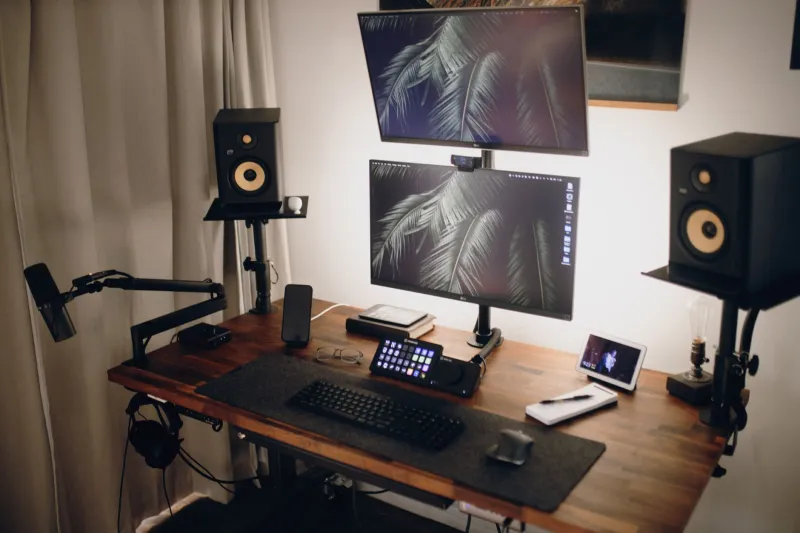
There's a moment every serious streamer hits eventually. The algorithm buries a stream nobody asked it to bury. A platform policy changes overnight and wipes out months of momentum. A competitor with half the talent lands a sponsored slot because they played the meta game better. And somewhere in the middle of all that frustration, a question starts forming: What if I just... didn't need this anymore?
That question used to be rhetorical. Now it's a business plan.
A legitimate wave of content creators — not just the massive names with eight-figure YouTube deals, but mid-tier streamers with dedicated fanbases and a serious chip on their shoulder — are walking away from platform dependency and building their own streaming ecosystems. We're talking self-hosted video infrastructure, Discord-native community models, and subscription setups that cut out the middleman entirely. The cord-cutting spirit that pushed audiences away from cable is now pushing creators away from the platforms that replaced it.
Why Now, Specifically?
The timing isn't random. A few things converged to make independent streaming infrastructure actually achievable in 2024 in a way it simply wasn't five years ago.
First, the tools got dramatically cheaper. Self-hosting a live stream used to require either serious technical chops or serious cash — ideally both. Today, services like Mux, Livepeer, and Cloudflare Stream have driven down the cost of video delivery to a point where a creator doing a few hundred concurrent viewers can host independently without hemorrhaging money. Open-source platforms like Owncast let streamers spin up a functional live streaming server for close to nothing, assuming they're comfortable with a little setup work.
Second, audiences have gotten comfortable with fragmentation. The average cord-cutter already juggles five or six streaming subscriptions, a handful of YouTube channels they actually pay attention to, and at least one Patreon or Substack. Following a creator to a new destination isn't the friction point it used to be — especially when that creator has spent years building genuine loyalty.
Third — and this is the part the platforms probably don't love discussing — creator trust in major platforms is at a low point. Twitch's revenue split controversies, the endless cycle of ban appeals and inconsistent enforcement, YouTube's ad-friendliness crackdowns: all of it has pushed creators toward asking harder questions about who actually benefits from their content.
What Going Independent Actually Costs
Here's where the fantasy collides with the spreadsheet. Running your own streaming platform isn't free, and anyone who tells you otherwise is skipping a few line items.
Bandwidth is the big one. Video is heavy. A 1080p stream at decent bitrate can consume 3-6 GB per hour per viewer. If you're pulling 500 concurrent viewers for a four-hour session, you're moving a lot of data — and someone's paying for it. Using a CDN-backed delivery service like Cloudflare Stream can run anywhere from $5 to several hundred dollars a month depending on volume. That's manageable for an established creator, but it's real money.
Then there's the tech stack itself. A self-hosted Owncast setup on a $20/month VPS works fine for small audiences, but scaling it requires either technical knowledge or a willingness to pay someone who has it. Creators who've gone this route often describe a learning curve that ate weeks of their time — weeks they weren't streaming, building audience, or making money.
Payment infrastructure adds another layer. Twitch handles subscriptions, donations, and payouts with all their messiness and 50% cuts, but they handle it. Going independent means integrating something like Stripe, managing your own subscriber data, and figuring out how to deliver value to paying members without a platform's built-in toolset. Services like Memberful or Whop have emerged specifically to solve this problem, and they're decent — but they're another monthly cost and another dashboard to manage.
A realistic budget for a creator going fully independent, at a scale where it's actually sustainable? Somewhere between $200 and $800 a month in infrastructure and tooling, before factoring in any content or marketing spend. For a creator pulling in $3,000-$5,000 a month from their audience, that's doable. For someone still grinding toward that number, it's a stretch.
The Discord-First Model: A Different Kind of Independence
Not every creator going independent is building a full streaming server. A growing number are taking a lighter-weight approach: Discord as the core platform, with streaming as a feature rather than the main event.
The playbook looks something like this. A creator builds a paid Discord community — call it $5 to $15 a month through Discord's own monetization tools or a third-party like Patreon. Inside that Discord, they stream directly to members using Discord's built-in Go Live or Stage features. They post exclusive content, run watch parties, host Q&As. The whole operation lives inside an app their audience already has open.
It's not a perfect system. Discord's streaming quality caps out lower than dedicated platforms, discovery is essentially zero outside your existing audience, and the whole thing depends on Discord itself — which, yes, is still a platform with its own rules and risks. But the revenue split is dramatically better, the community feel is tighter, and the barrier to entry is low enough that creators can test the model without betting the farm on it.
Some creators are using this as a complement to their Twitch or YouTube presence rather than a replacement — essentially creating a premium tier where the most engaged fans get direct access while the broader audience still finds them through algorithmic platforms. It's a hybrid model that hedges the risk of going fully independent while still building toward it.
The Audience Problem Nobody Talks About Enough
Here's the hard truth that tends to get glossed over in the "own your platform" discourse: algorithms, for all their dysfunction, do one thing really well. They introduce creators to new people.
When you leave Twitch, you leave Twitch's discovery engine. When you ditch YouTube, you lose the recommended feed that might have been sending you 30% of your new viewers. Building an independent platform means that growth becomes almost entirely dependent on your existing audience spreading the word — and on your own marketing efforts.
The streamers who've made this work tend to share a few traits. They built deep loyalty before they left, not after. They had an email list, a social media following, or a Discord community that was genuinely active — not just a follower count. And they didn't burn bridges on the way out; many maintain a presence on major platforms specifically to funnel new people toward their independent ecosystem.
The ones who struggled went independent too soon, before their audience had enough inertia to follow them somewhere new.
Is It Actually Worth It?
For the right creator, absolutely. The economics of owning your platform — keeping 85-95% of subscription revenue instead of 50%, controlling your content policies, building something that can't be demonetized by an algorithm update — are genuinely compelling once you hit a certain audience size.
For most streamers still grinding toward that threshold, the smarter move is probably a hybrid approach. Stay on the platforms for discovery. Build community infrastructure you own — an email list, a Discord, a Patreon — in parallel. And when the time comes to pull the cord on algorithmic dependency, you'll have something to land on.
The platforms are watching this trend, by the way. Twitch's creator monetization improvements and YouTube's recent moves toward better revenue splits aren't coincidental. Competition — even from individual creators building their own things — has a way of focusing corporate attention.
Cutting the cord isn't just something audiences do anymore. Creators are figuring out they can do it too.